Mega Crit Responds to Balance Backlash — 'Every Piece of Player Feedback Matters'
Published 2026-03-23Updated 2026-09-194 min read
After the beta-nerf backlash, Mega Crit published a detailed response: balance decisions weigh player feedback, backend data and design intent — with in-game F2 feedback called the most valuable channel.
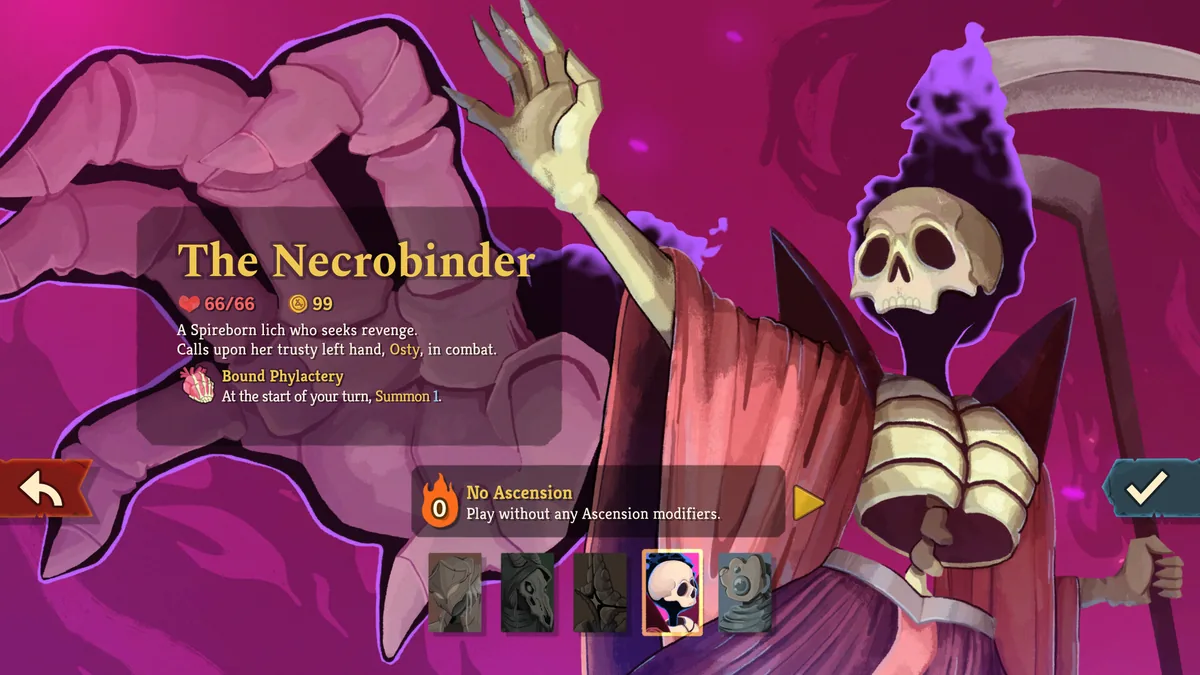
One day after the review-bomb headlines, Mega Crit did the thing that turned the story around: a detailed public response on the beta feedback storm — addressing Chinese players' concerns directly and laying out, in specific terms, how balance decisions actually get made.
The three-input framework the studio committed to:
- Real player feedback — with a pointed endorsement of the game's built-in F2 feedback tool: the first-hand reports submitted directly from inside the game are "the most direct and valuable" input, and get priority review.
- Backend data — win rates, pick rates and usage patterns at scale, so nerfs target measured outliers rather than loud anecdotes.
- Original design intent — the guardrail that keeps balance patches from sanding off the game's identity.
The message explicitly acknowledged the Chinese community's concerns — the epicenter of the review-bomb wave — and framed the Early Access contract as a two-way commitment: the beta branch exists for experimentation, and reversals are an acceptable outcome when experiments fail.
The proof followed within days. The 0.101 beta patch rolled back the most-criticized changes — with developer Anthony Giovannetti publicly crediting "a certain Chinese player's F2 feedback" for the reversal of a key Silent card change. The episode is now cited as a model of Early Access community management: storm, response, reversal, and a feedback channel players actually trust.
Keep reading: