Slay the Spire 2 Blood Wall — Ironclad Block Card Guide
Published 2026-09-204 min read
Blood Wall in Slay the Spire 2: the Ironclad Common Skill that trades 2 HP for 16 Block (20 upgraded) — the math, synergies and when to draft it.
Blood Wall is an Ironclad card in Slay the Spire 2 — a Common Skill that pays Block in the currency Ironclad knows best: his own HP. Quick note for searchers landing on a relic guide: it's a card, not a relic — this page covers the whole object. The short version: 2 HP buys 16 Block, and that trade is often fantastic.
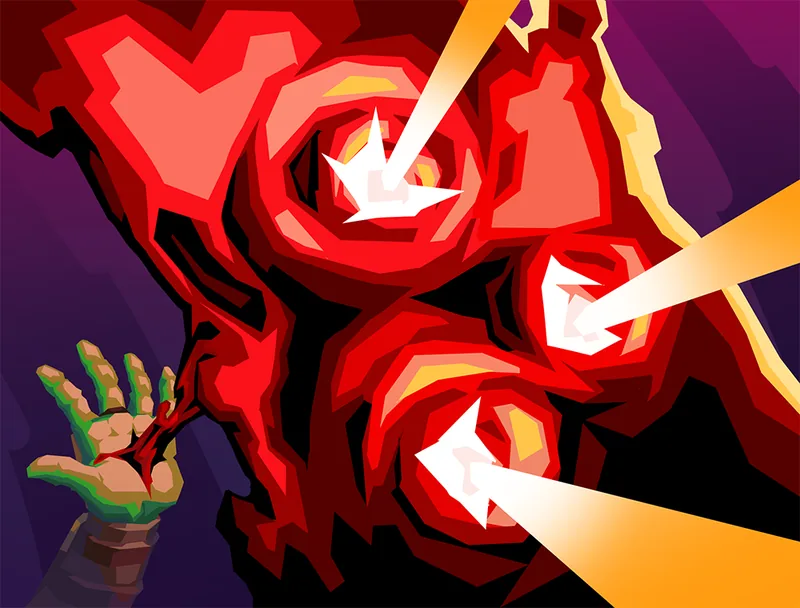
The card, precisely
- Class / Rarity: Ironclad, Common — Skill
- Cost: 2 energy
- Effect: Lose 2 HP. Gain 16 Block. (Upgraded: 20 Block)
- Keyword: Lose HP — which matters, because Ironclad has payoffs that trigger on self-damage
The math: why 16 Block for 2 HP is good
Block absorbs damage one-for-one, so 16 Block is 16 damage you didn't take. Paying 2 HP for it nets +14 effective HP the turn you play it — the best ratio of any Common Ironclad Block card. Two caveats:
- It costs 2 energy — the same slot as a Bludgeon. Blood Wall turns are defense turns.
- The 2 HP is real. Against chip-damage fights it's noise; against burst bosses, don't cast it into a combo that already leaves you at 5 HP.
Synergies that reward the self-damage
- Rupture — gains Strength whenever you lose HP on your turn; Blood Wall is free Strength fuel.
- Spite — hits 2–3 times if you lost HP this turn.
- Healing economies — Burning Blood and Feed refund the cost over the run; the HP tax is temporary, the Block is now.
- Barricade runs — Block persisting between turns makes every 16-Block cast an investment, not a stopgap.
Draft guidance
Take it: early floors (Act 1 elites check Block), Barricade/Juggernaut decks, Rupture packages, and any run low on Block cards — it's a Common, it shows up, it works.
Skip it: energy-starved decks that can't afford 2-cost defense, or Whirlwind/tempo builds where the 2-energy slot must always be damage. For where it sits in the pool, see the Ironclad card tier list — A/B-borderline, deck-dependent.
Keep reading: